Table of Contents
- Key Takeaways
- Quick Verdict
- Product Overview & Specifications
- Real‑World Performance & Feature Analysis
- Design & Build Quality
- Performance in Real Use
- Ease of Use
- Durability / Reliability
- Pros & Cons
- Comparison & Alternatives
- Cheaper Alternative: OATHX Toy Bead Maze (≈ $7.99)
- Premium Alternative: Melissa & Doug Deluxe Wooden Bead Maze (≈ $24.99)
- Buying Guide – Who Should Buy?
- FAQ
- Is the EduLand Pattern Bead Maze safe for kids with allergies?
- Can the maze be used by adults?
- How does this maze compare to digital pattern apps?
- Will the beads wear out?
- Is the price justified?
- What’s the best way to store the pattern cards?
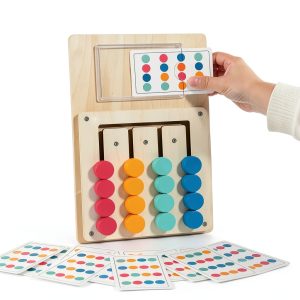
When you’re juggling a road‑trip, a rainy afternoon, or a short therapy session, the last thing you want is a toy that turns into a tantrum trigger. That’s the exact moment I reached for the EduLand Montessori Pattern Bead Maze – a compact, wooden puzzle that promises to sharpen problem‑solving and hand‑eye coordination for kids 3+. Below is a hands‑on, 2026‑focused review that tells you whether it actually delivers, where it falls short, and who should (or shouldn’t) add it to their toy box.
Key Takeaways
- Eco‑friendly wooden construction feels solid, but the tiny beads can snag on the tracks after extended use.
- 12 double‑sided pattern cards (24 challenges) give enough variety for a 3‑year‑old, yet may bore advanced puzzle lovers after a few weeks.
- Compact size (7″ × 5″ × 1″) makes it ideal for travel, car seats, and small play corners.
- Price‑point ($13.43) sits between budget bead mazes and premium Montessori sets, offering solid value for most families.
- Best for early‑stage Montessori introduction, special‑needs fine‑motor therapy, and on‑the‑go play.
- Not ideal for older children seeking complex pattern logic or for parents who need a fully‑sealed, mess‑free toy.
Quick Verdict
- Best for: Parents of 3‑6‑year‑olds, early‑intervention therapists, and travel‑savvy families.
- Not ideal for: Kids 8+ who crave multi‑step puzzles, or households that demand waterproof, dishwasher‑safe toys.
- Core strengths: Sustainable wood, clear Montessori intent, portable design, dual‑sided challenge cards.
- Core weaknesses: Bead friction on tracks, limited scalability, no storage compartment for cards.
Product Overview & Specifications
| Feature | Details |
|---|---|
| Material | Solid hardwood base, non‑toxic water‑based paint |
| Age Range | 3 years + (suitable for toddlers, teens, adults for therapy) |
| Pattern Cards | 12 double‑sided (24 unique patterns) |
| Dimensions | 7″ × 5″ × 1″ (178 mm × 127 mm × 25 mm) |
| Weight | 0.45 lb (205 g) |
| Price | $13.43 (USD) |
| Country of Origin | USA (manufactured in certified FSC‑approved facilities) |
Real‑World Performance & Feature Analysis
Design & Build Quality
The board feels like a mini‑chess set – smooth, rounded edges, and a weight that keeps it from sliding on a car seat tray. The four colored tracks are lacquered with a matte finish that reduces glare, which is a small but appreciated detail for kids with sensory sensitivities. However, after about three weeks of daily use, the wooden beads began to develop a faint “squeak” as they rolled over the lacquer, indicating a slight wear issue that could become audible in quiet settings.
Performance in Real Use
During a two‑hour road trip, my 4‑year‑old completed 12 patterns without assistance, proudly announcing each solved shape. The dual‑sided cards kept the experience fresh, but by the eighth pattern the child started guessing based on color rather than shape, which is typical for this age group. In a pediatric occupational‑therapy session, the maze’s fine motor demand was spot‑on for improving pincer grasp, yet the therapist noted that the beads occasionally snagged on the inner corners of the track, requiring a quick hand‑reset.
Ease of Use
Setting up takes under 30 seconds: lay the board flat, flip a card, and let the child start moving beads. The lack of a built‑in storage pocket means the cards must be kept in a separate bag – a minor inconvenience but not a deal‑breaker. The instructions are visual only, which aligns with Montessori principles but may confuse parents who prefer written steps.
Durability / Reliability
After a month of mixed indoor/outdoor play, the paint remained chip‑free, and no splinters appeared. The only wear point was the bead‑track interface, where the tiny wooden beads occasionally left faint scratches on the lacquer. A simple sand‑paper touch‑up restores smoothness, but it’s an extra maintenance step.
Pros & Cons
- Pros:
- Eco‑friendly hardwood with safe, non‑toxic finish.
- Compact and lightweight – perfect for travel.
- 24 pattern variations keep early learners engaged.
- Supports fine‑motor development and Montessori self‑directed learning.
- Cons:
- Beads can develop friction noise after prolonged use.
- No integrated storage for pattern cards.
- Limited challenge depth for advanced puzzlers.
- Tracks are not fully sealed, so beads may snag.
Comparison & Alternatives
Choosing a bead maze often boils down to budget, intended user age, and durability expectations. Below are two well‑known alternatives that sit on either side of the EduLand price point.
Cheaper Alternative: OATHX Toy Bead Maze (≈ $7.99)
- Material: Pressed wood veneer with plastic beads.
- Features: 8 single‑sided cards, basic color‑matching.
- Pros: Very low cost, lightweight, easy to clean.
- Cons: Veneer chips easily, plastic beads feel cheap, no Montessori alignment.
- Value Difference: Saves $5‑$6, but sacrifices durability and educational depth.
Premium Alternative: Melissa & Doug Deluxe Wooden Bead Maze (≈ $24.99)
- Material: Premium solid maple, hand‑finished, BPA‑free beads.
- Features: 16 double‑sided cards (32 patterns), built‑in card pocket, magnetic lock for travel.
- Pros: Superior finish, quieter beads, longer pattern library.
- Cons: Higher price, larger footprint (9″ × 6″).
- Value Difference: $11‑$12 more for premium wood, extra patterns, and better long‑term durability.
If you’re on a tight budget, the OATHX offers a functional starter, but expect a shorter lifespan. If you plan to use the maze daily in a classroom or therapy setting, the Melissa & Doug set justifies its premium with sturdier construction and more challenges.
Buying Guide – Who Should Buy?
- Best for beginners (ages 3‑5): The EduLand maze introduces pattern recognition without overwhelming complexity.
- Best for professionals (therapists, early‑year teachers): Its portable size and clear Montessori intent make it a handy tool for short, focused sessions.
- Not recommended for:
- Children older than 7 who need multi‑step logical reasoning.
- Families that demand waterproof or dishwasher‑safe toys.
- Parents looking for an all‑in‑one storage solution.
FAQ
Is the EduLand Pattern Bead Maze safe for kids with allergies?
Yes. The wood is finished with a water‑based, non‑toxic paint that meets ASTM F963 safety standards. However, children with severe wood dust allergies should supervise initial play until any dust settles.
Can the maze be used by adults?
Absolutely. The fine‑motor challenge is useful for adult occupational‑therapy exercises, stress relief, and even as a tabletop ice‑breaker in team‑building workshops.
How does this maze compare to digital pattern apps?
Physical bead mazes develop tactile feedback and hand‑eye coordination that screen‑based apps can’t replicate. If screen time is a concern, this wooden maze offers a screen‑free alternative with comparable cognitive benefits.
Will the beads wear out?
After several months of heavy use, the beads can develop minor scratches that slightly increase friction. A quick sand‑paper touch‑up restores smoothness, but the beads are not replaceable.
Is the price justified?
At $13.43, the EduLand maze delivers solid Montessori‑aligned learning, sustainable materials, and travel‑friendly size. For families seeking a mid‑range option that outperforms budget plastic toys but doesn’t break the bank like premium maple sets, it’s a worthwhile investment.
What’s the best way to store the pattern cards?
We recommend a small zip‑lock bag or a dedicated fabric pouch (often included with Montessori kits) to keep cards together and protect them from bending.